Intelligence BriefMar 16, 2026
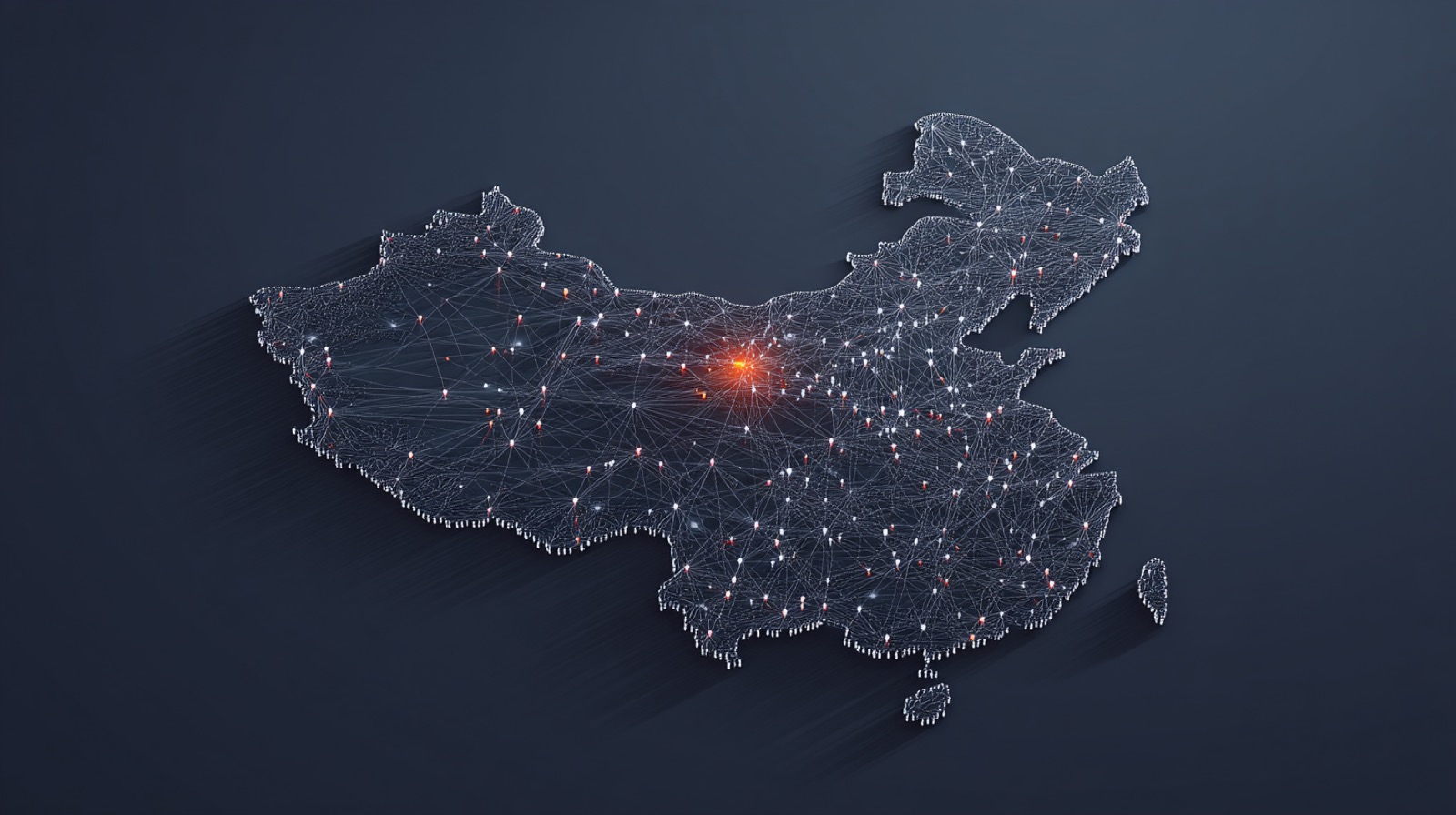
On May 10, 2021, the EU upgraded its dual-use export control legislation — with China explicitly in mind and the Chinese Communist Party named for the first time as a threat in a European legislative context.
On May 10, 2021, the European Union upgraded its legislation on export controls applicable to dual-use goods and technologies, effective from September 9 onwards. Dual-use goods are goods, technologies, and software that can be used for both civilian and military applications. The reform came as a direct response to the rising threat of EU exports being misused — with China as a major country of concern behind the new legislation.
The original regulation on export control — Regulation (EC) No 428/2009 — was adopted to govern the EU's export control regime, controlling the exports, transit, and brokering of dual-use items to contribute to international peace and security and to prevent the proliferation of Weapons of Mass Destruction.
Even though common export control rules and assessment criteria were adopted, not all member states consider export control equally important. With no uniform screening standard in place and no penalties for non-compliance, large differences in screening standards between countries have persisted. Companies can exploit this: if the same technology can be obtained from two countries — or even from the same company in two different locations — foreign companies will prefer the jurisdiction with the least strict screening standards, maximising the chance that their import licence will be granted.
The upgraded EU regulation puts significantly more emphasis on human rights than its predecessor. After the European Parliament adopted the updated regulation and sent it to the Council, Parliament member Markéta Gregorová (Greens/EFA, CZ) stated:
"With the reform of the dual-use regulation, the Parliament has put human rights and human security at the forefront of European export policy. The new rules for cyber-surveillance exports paired with companies' new due diligence requirements and meaningful transparency will make sure that our facial recognition technology and other European high-end surveillance technologies do not end up in the hands of the Chinese Communist Party or other authoritarian regimes to violate human rights."
This statement marks the first time the European Parliament — or any other European legislative branch — has openly stated that China represents a substantial threat to human rights in the context of dual-use goods. It is a clear indication that the new regulation was updated with China explicitly in mind.
The updated regulation strengthens controls on a wider range of emerging dual-use technologies, including cyber-surveillance exports — one of China's most sought-after technology categories from Europe. In addition, the regulation introduces due diligence obligations for producers, giving them a more active role in addressing the risks to international security posed by the goods they intend to export.
By including cyber-surveillance technologies on the EU Control List, the EU hopes to better control its exports to China. The regulation also strengthens coordination between member states and the European Commission to support more effective enforcement across the Union. By requiring all member states to perform adequate export controls, the EU aims to reduce the advantage China gains from favouring countries with lighter screening standards — and to create a more equal level playing field across the EU.
The effectiveness of the updated regulation remains to be seen, and it is doubtful that all member states will implement it with equal enthusiasm. However, the new regulation is only one of many ways in which the EU is toughening its stance on China, and it is likely that other new regulations in other areas will follow.
We map who in China is building what, how advanced they are, who funds them, who they work with, and what their connections are to the Chinese military and state.